
I was very fortunate to recently visit South Africa and Zimbabwe after a veterinary conference. Since 100% of the pet owners we meet are animal lovers, I thought I would share some information and pictures about his incredible trip.
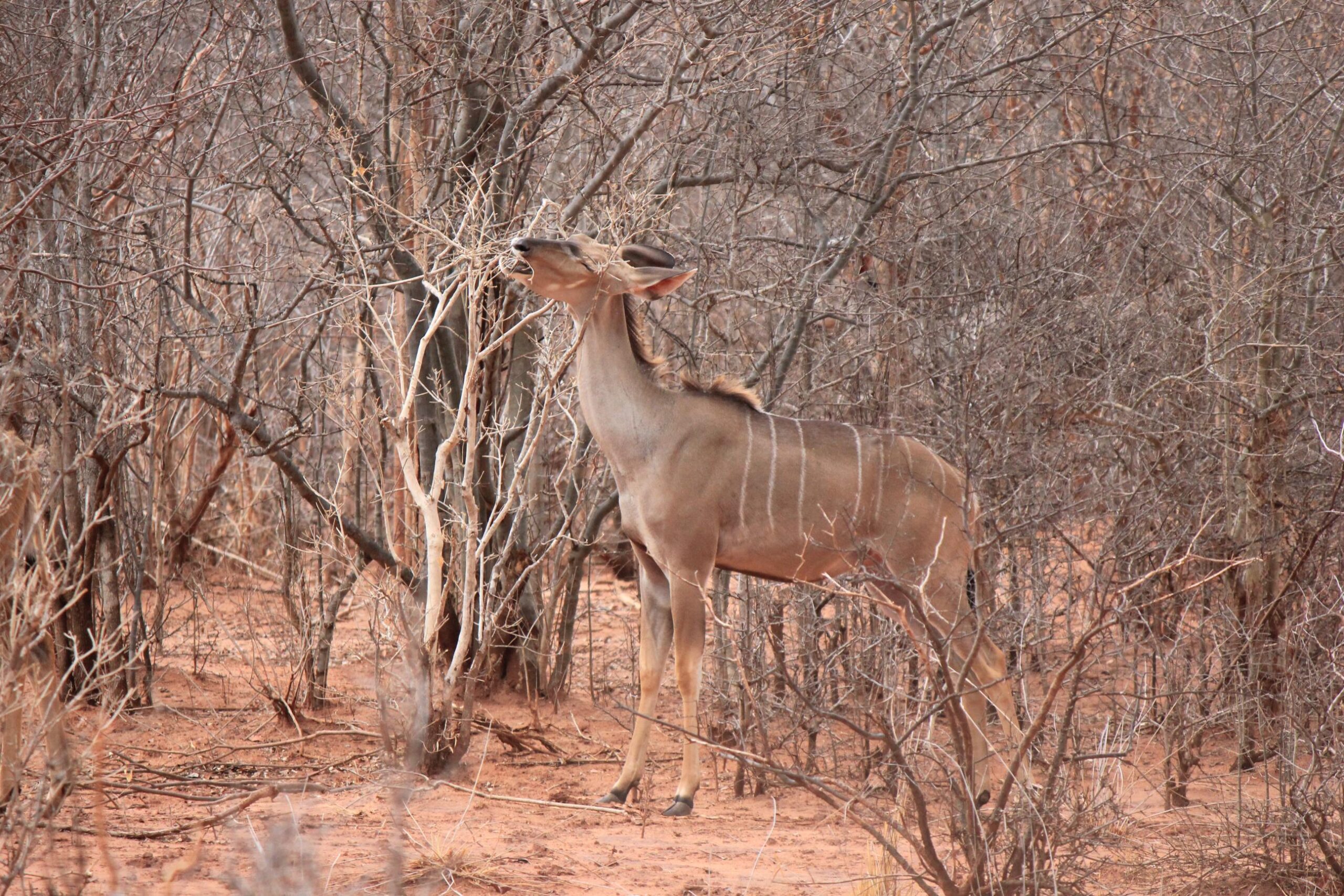
Among the most captivating and elegant animals of South Africa are the gazelles and antelopes that grace its bush and grasslands.
A Spectrum of Species & Distinguishing Features
South Africa has a remarkable diversity of gazelles and antelopes, each with unique adaptations to their environment.
Some prominent species include the Springbok, Impala, and Kudu.
A key distinguishing feature is their horns.
These structures, present in both males and females in some species, serve various purposes such as defense, display, and territorial marking.
While the terms “gazelle” and “antelope” are often used interchangeably, there are some key distinctions:
. Gazelles are generally smaller and lighter.
They are known for their exceptional speed and grace.
. Antelopes include a wider range of sizes and body shapes.
They can be more robust and may exhibit a variety of behaviors and adaptations.
. Interestingly, all gazelles are antelopes, but not all antelopes are gazelles. So if you’re not sure what elegant animal you’re looking at, you can’t go wrong by calling it an antelope!
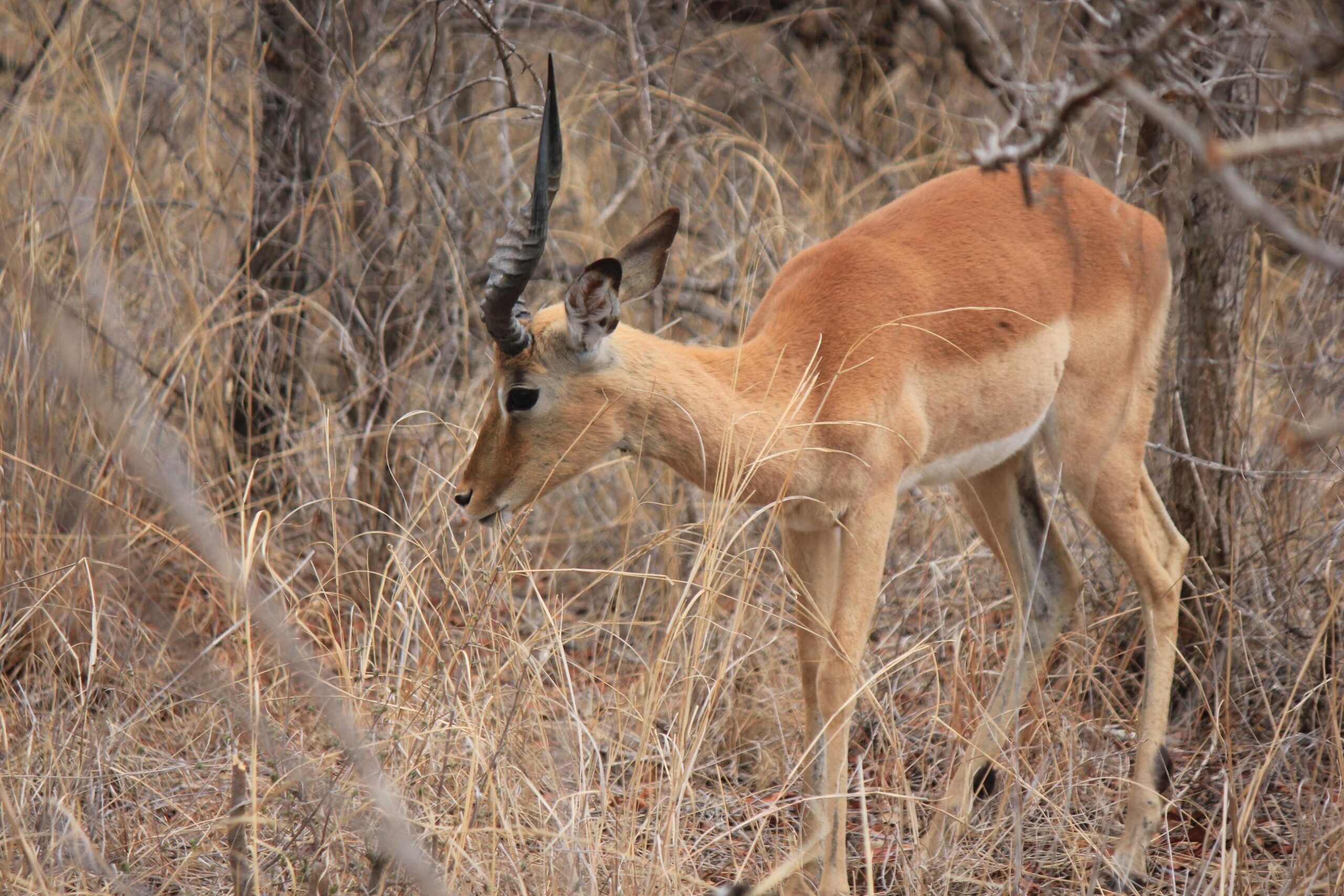
Masters of Speed and Agility of Gazelles
Many gazelles and antelopes are renowned for their incredible speed and agility.
This is crucial for their survival, allowing them to outrun predators in the open plains.
Some species, like the Springbok, are famous for their spectacular leaps, a behavior known as “pronking.”
This display serves various purposes, including startling predators, attracting mates, and communicating with other members of the herd.
Social Structures and Survival Strategies of Antelopes
Many gazelles and antelopes are highly social animals, living in herds that provide safety in numbers.
This social structure offers protection against predators and facilitates sharing resource.
Besides speed, these creatures have evolved various anti-predator adaptations.
They include keen senses, vigilance, and complex alarm calls that warn the herd of imminent danger.
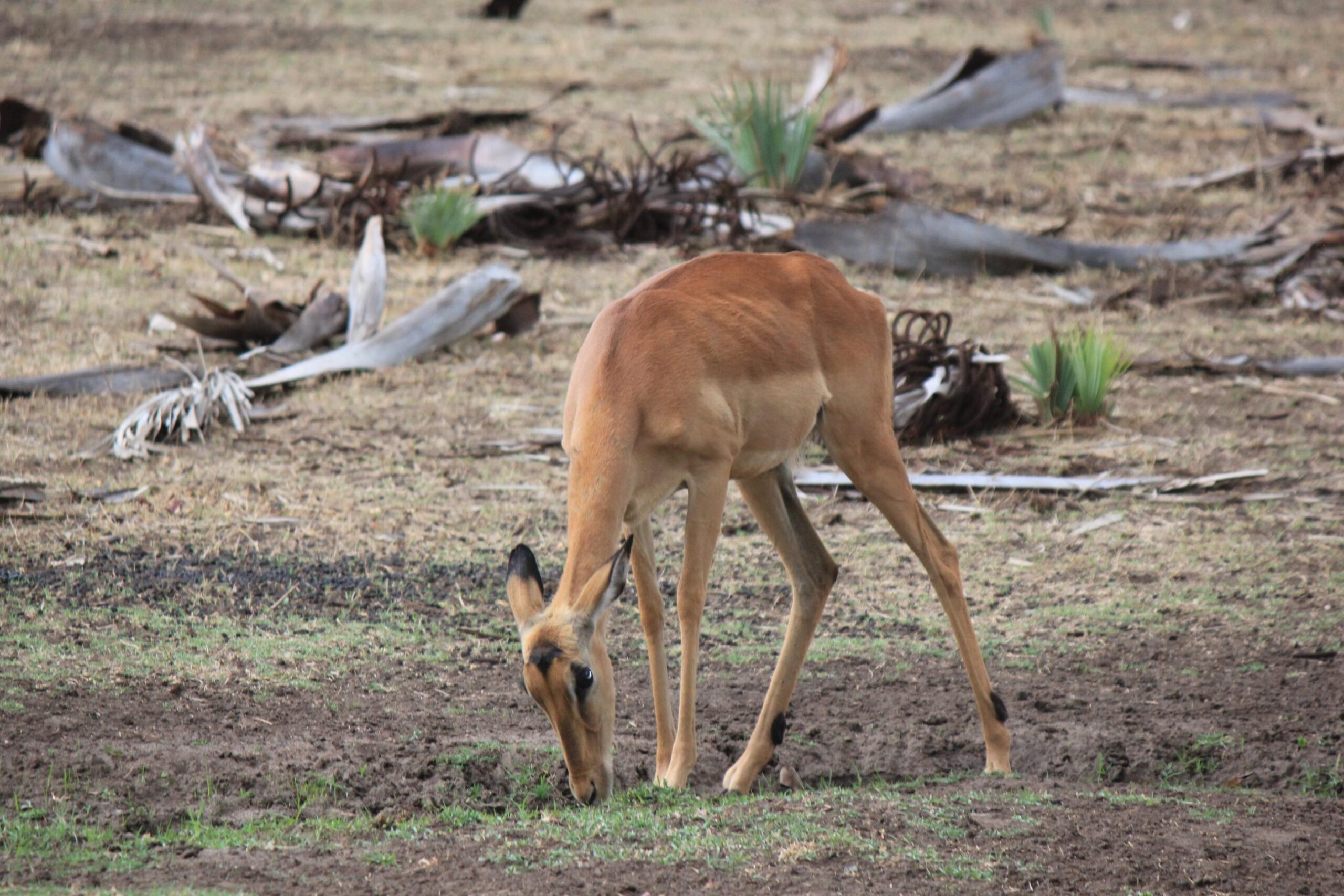
Threats to Survival of Gazelles
Illegal hunting for their meat (“bush meat”), hides, and horns poses a significant threat to many gazelle and antelope populations.
Habitat fragmentation and degradation due to human activities like agriculture and urbanization are also major concerns.
Competition for resources with livestock and other wild animals can also impact their populations.
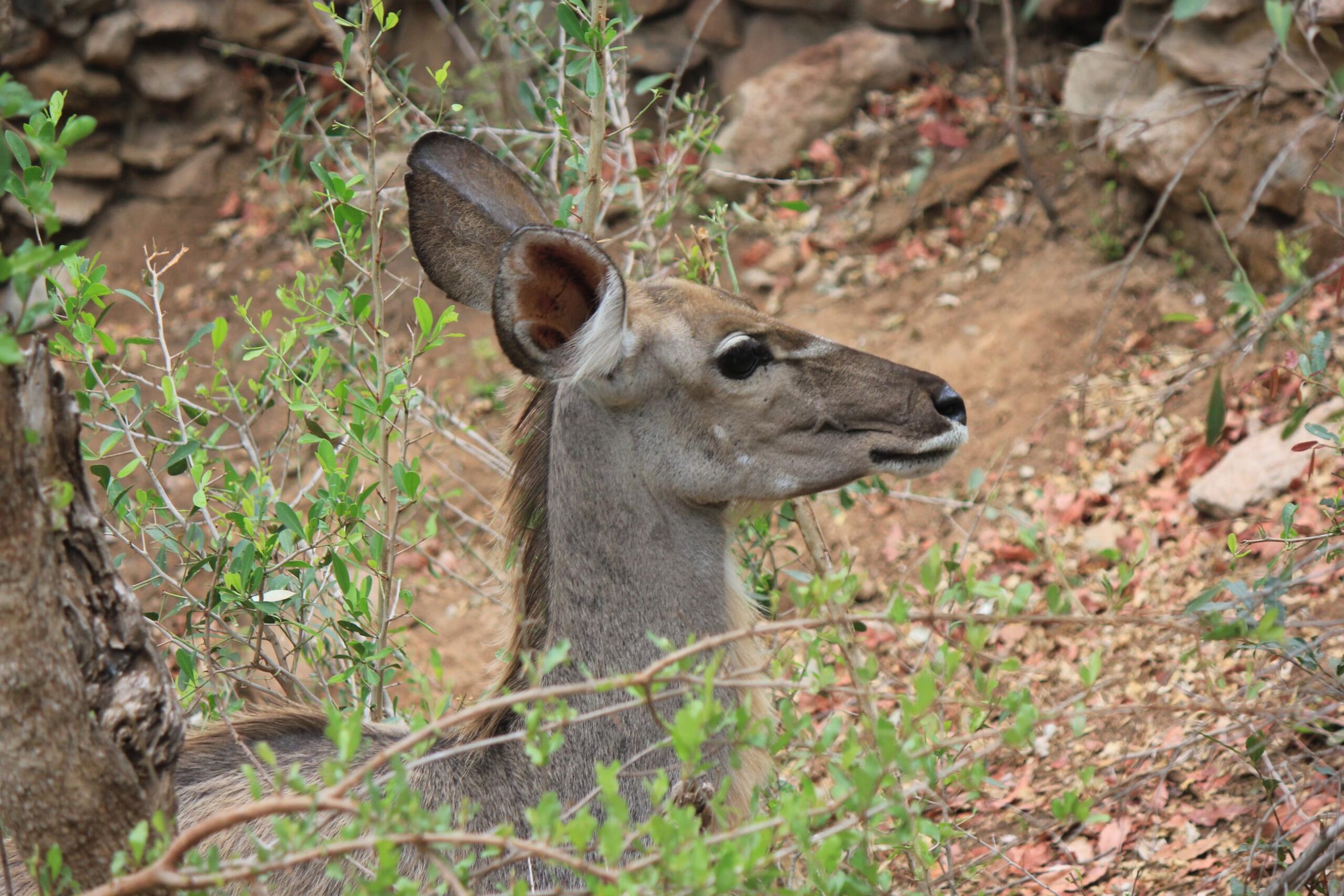
Conservation Efforts of Antelopes
A network of national parks and reserves plays a crucial role in conserving these species.
Increased efforts are being made to combat poaching, including improved law enforcement and community-based conservation programs.
Ongoing research and monitoring programs are essential for understanding the ecology and population dynamics of these species.
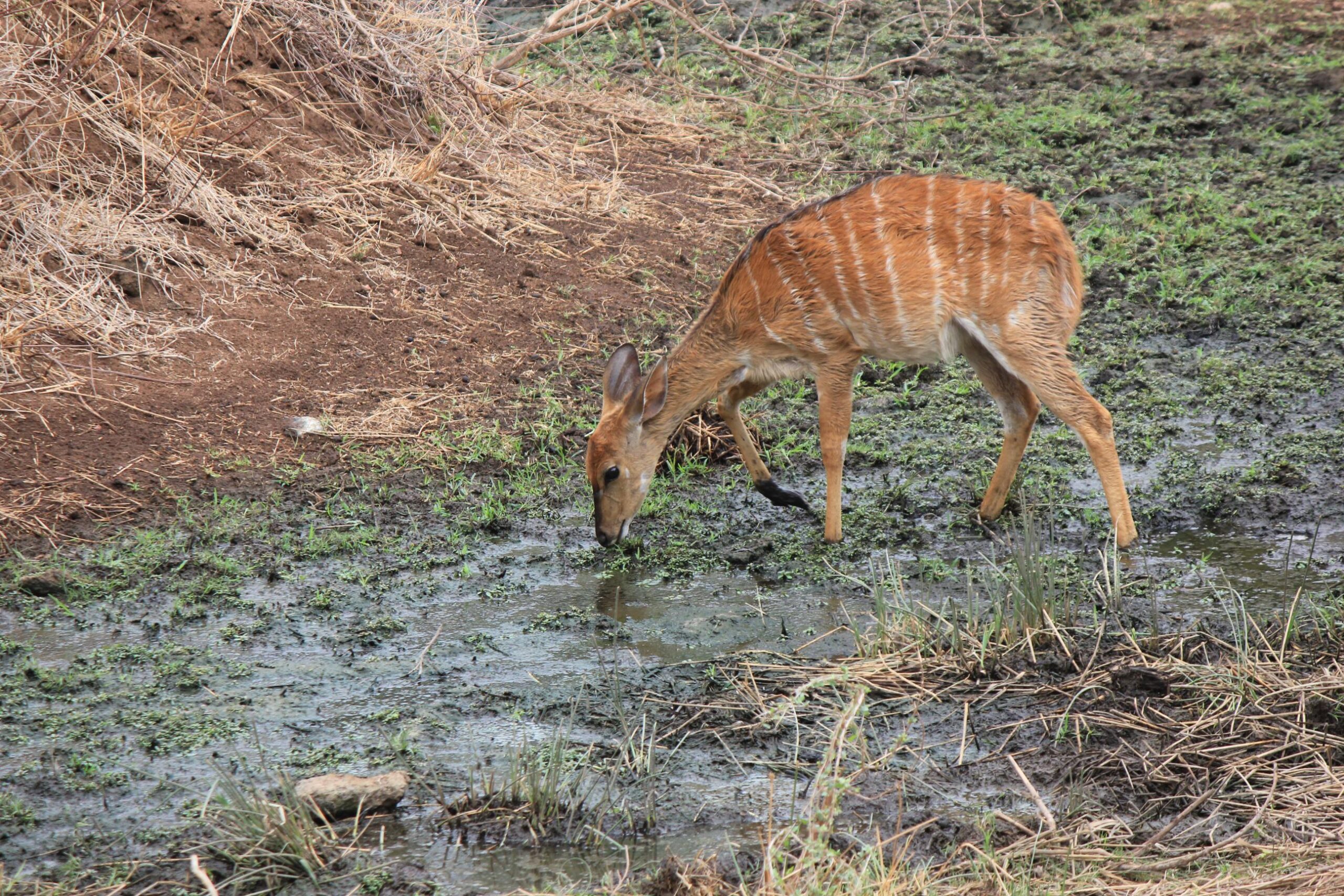
Gazelles are a Symbol of the African Wilderness
Gazelles and antelopes are not just beautiful creatures.
They are vital components of the African ecosystem.
Their presence enriches the biodiversity of South Africa and serves as a reminder of the delicate balance of nature.
By understanding and appreciating these animals, we can work towards ensuring their long-term survival for generations to come.
We can’t help your gazelle, but if you would like to learn how we can help your cat or your dog with safe surgery and anesthesia, please contact us through www.HRVSS.com
Never miss a blog by subscribing here: www.HRVSS.com/blog
Phil Zeltzman, DVM, DACVS, CVJ, Fear Free Certified
www.HRVSS.com